Earth and Climate Systems

Earth and Climate Systems

Understand the Earth. Respond to a changing climate.

Explore how the atmosphere, water, land, ecosystems and human activities interact to shape weather, climate hazards, resilience and sustainable development.
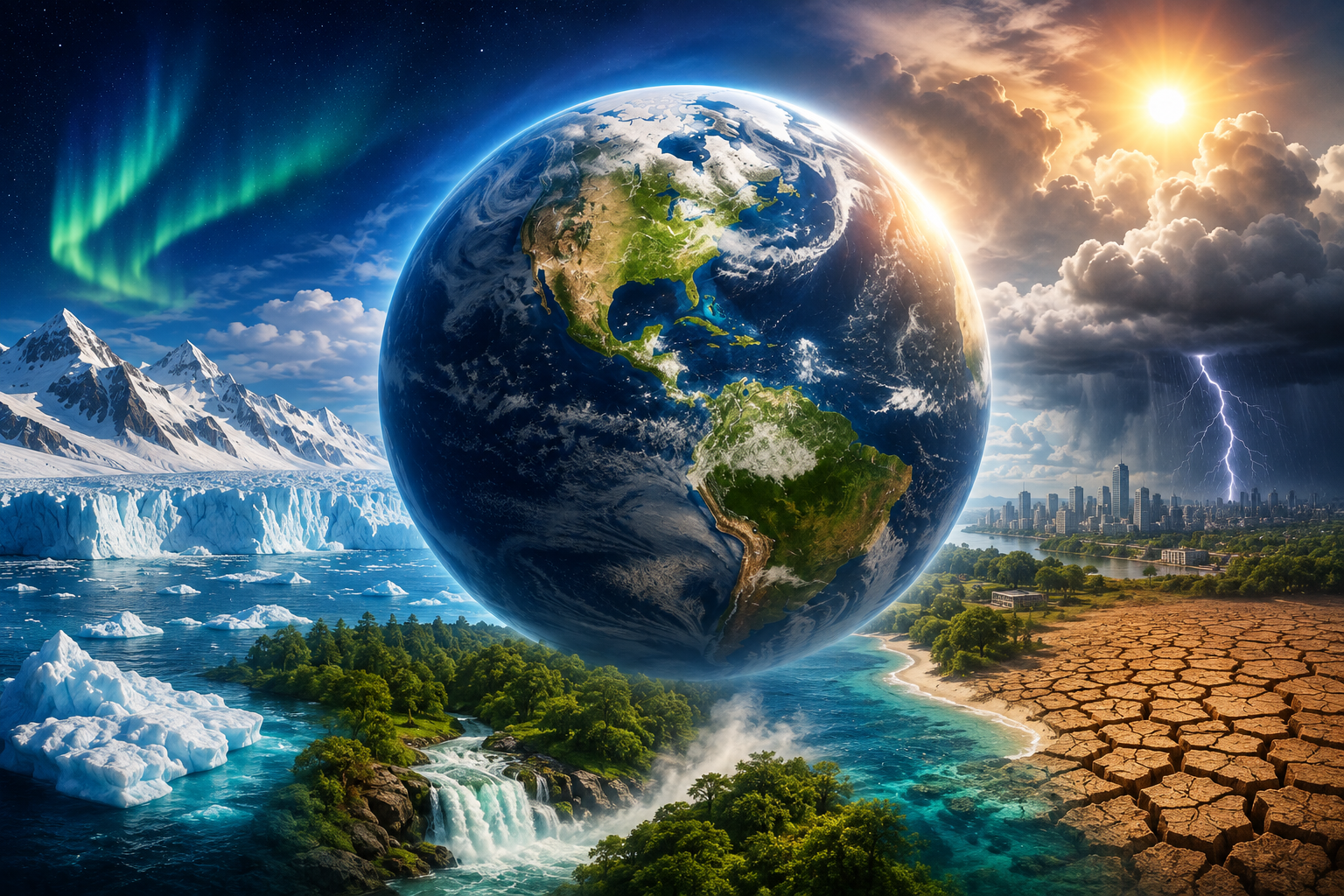
01 Earth Systems Atmosphere, land, water and ecosystems
02 Climate Change Causes, evidence, impacts and responses
03 Climate Resilience Adaptation, mitigation and preparedness
African learners and professionals exploring Earth and climate systems
Earth Systems Learning LIFEWS Academy
Learn the Connected System

Atmosphere, water, land, life and society are deeply connected.

Systems Pathway Observe → Understand → Respond
Explore the Learning Areas

Study the connected systems that shape our planet.

Explore Earth processes, climate change, hazards, resilience, data and practical responses across natural and human systems.

View Learning Pathways
The Earth as a Connected System

Changes in one part of the Earth system influence the others.

Learn how the atmosphere, hydrosphere, geosphere, biosphere and human systems interact across space and time.

Explore the Systems Pathway
01 Atmosphere Air, weather and climate.
02 Hydrosphere Oceans, rivers, water and ice.
03 Geosphere Land, soils and Earth materials.
04 Biosphere Living organisms and ecosystems.
01 Earth Science

Earth Systems

Understand the major components of the Earth and how they interact.

Atmosphere Water Land
02 Weather Science

Weather and Climate

Distinguish daily weather from long-term climate patterns and trends.

Weather Climate Seasons
03 Climate Science

Climate Change

Examine climate drivers, evidence, impacts and future projections.

Warming Evidence Impacts
04 Atmospheric Change

Greenhouse Gases

Learn how emissions alter the Earth’s energy balance and climate.

Carbon Methane Emissions
05 Extreme Heat

Heatwaves

Explore extreme heat, exposure, vulnerability and protective action.

Heat Health Preparedness
06 Water Stress

Drought and Water Stress

Study rainfall deficits, water scarcity and impacts on people and ecosystems.

Drought Water Agriculture
07 Hydroclimate Hazards

Floods and Storms

Understand intense rainfall, flooding, storms and disaster risk.

Floods Storms Risk
08 Climate Response

Climate Adaptation

Develop strategies that reduce exposure and strengthen resilience.

Adaptation Resilience Planning
09 Climate Response

Climate Mitigation

Explore emissions reduction, clean energy, efficiency and carbon management.

Mitigation Energy Carbon
10 Resilient Communities

Climate-Smart Communities

Connect local knowledge, planning and action for community resilience.

Community Equity Action
11 Climate Intelligence

Climate Data and Monitoring

Use observations, maps, indicators and data to understand change.

Data GIS Monitoring
12 Preparedness

Early Warning Systems

Learn how forecasts, alerts and communication support timely action.

Forecasts Alerts Response
Choose Your Earth and Climate Pathway

Begin with Earth-system foundations or progress into hazards, resilience and climate intelligence.

Explore Learning Pathways
Earth and Climate Learning Pathway

Begin with the Earth system. Progress into climate action.

Follow a structured pathway from Earth-system foundations and climate science to hazards, resilience, data and practical action.

Register Your Interest
Recommended Starting Program Earth and Climate Foundations
Foundational Learning Pathway

Earth Systems, Climate and Society

Understand how the atmosphere, water, land, ecosystems and human activities interact to shape climate, hazards and resilience.

01 Explain the major Earth systems
02 Distinguish weather from climate
03 Identify climate risks and impacts
04 Evaluate practical climate responses
Connected Earth System Air · Water · Land · Life · Society
01 Observe Examine Earth and climate conditions.
02 Understand Interpret patterns, drivers and interactions.
03 Assess Evaluate hazards, exposure and vulnerability.
04 Respond Develop adaptation and mitigation actions.
Systems Learning Move from Earth observation to informed climate action.
Find Your Starting Point

Enter the pathway according to your role and goals.

New to Earth Science Begin with Earth systems, weather and climate.
Interested in Hazards Study heat, drought, floods, storms and risk.
Working with Communities Focus on resilience, adaptation and preparedness.
Technical or Professional Role Progress into climate data and early warning systems.
Choose Your Learning Pathway

Build Earth-system knowledge and progress into practical climate response.

Join Program Updates
Who These Programs Are For

Earth and climate learning for people turning knowledge into action.

Find a pathway that reflects your role, learning needs and Earth or climate priorities.

Register Your Interest

African teacher delivering practical Earth and climate education
02 Teach
Climate Education

Teachers and Educators

Teaching and Demonstration

Bring Earth and climate systems into practical learning.

Use observations, experiments, maps, stories and local projects to strengthen climate education.
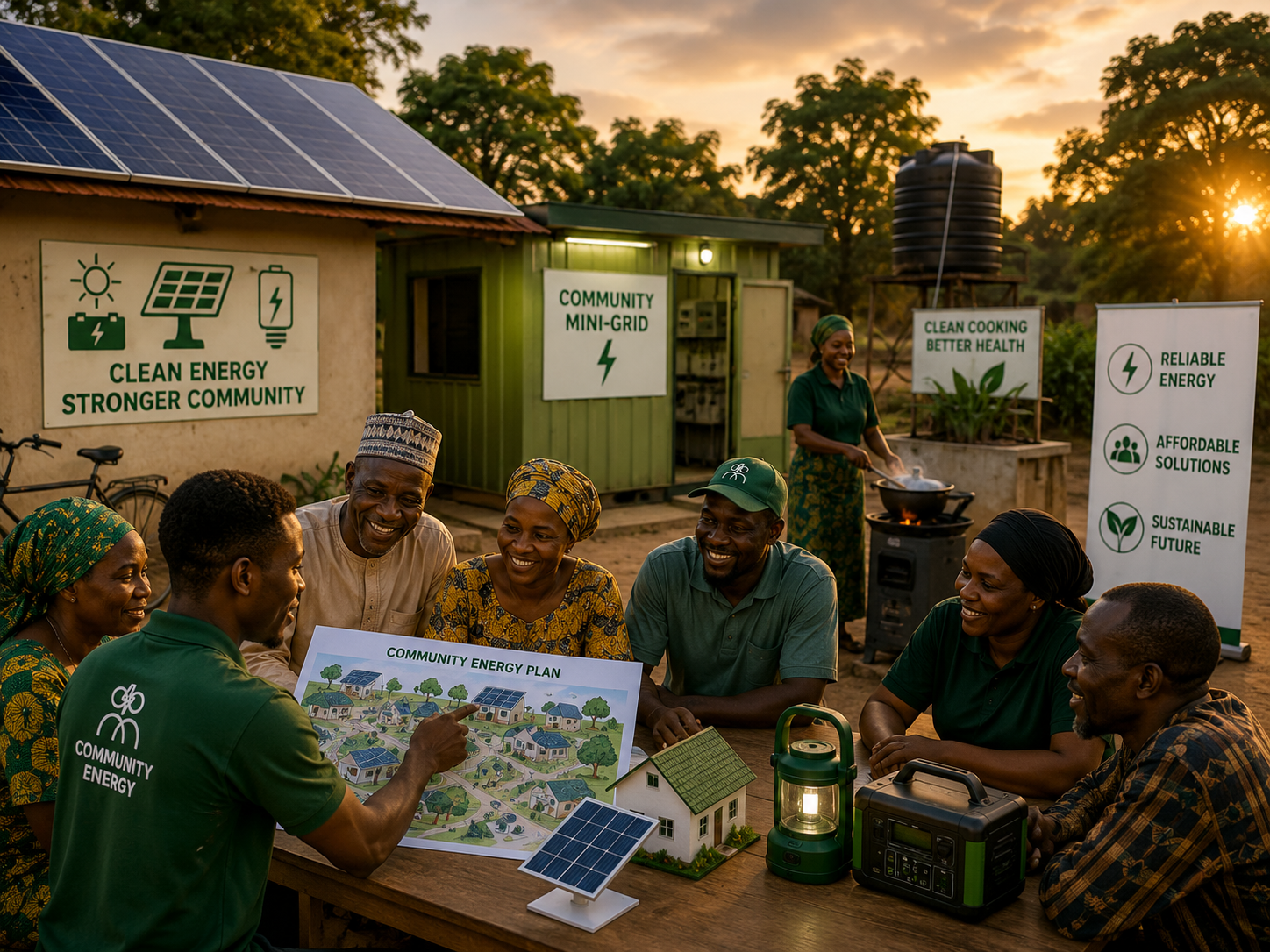
Best-Fit Learning Lesson resources · observations · school climate projects
Explore Educator Pathways
African environmental and climate professionals conducting field assessment
03 Assess
Technical Practice

Environmental and Climate Professionals

Analysis and Planning

Strengthen climate assessment and risk-management skills.

Develop knowledge in hazards, vulnerability, climate data, adaptation planning and early-warning systems.
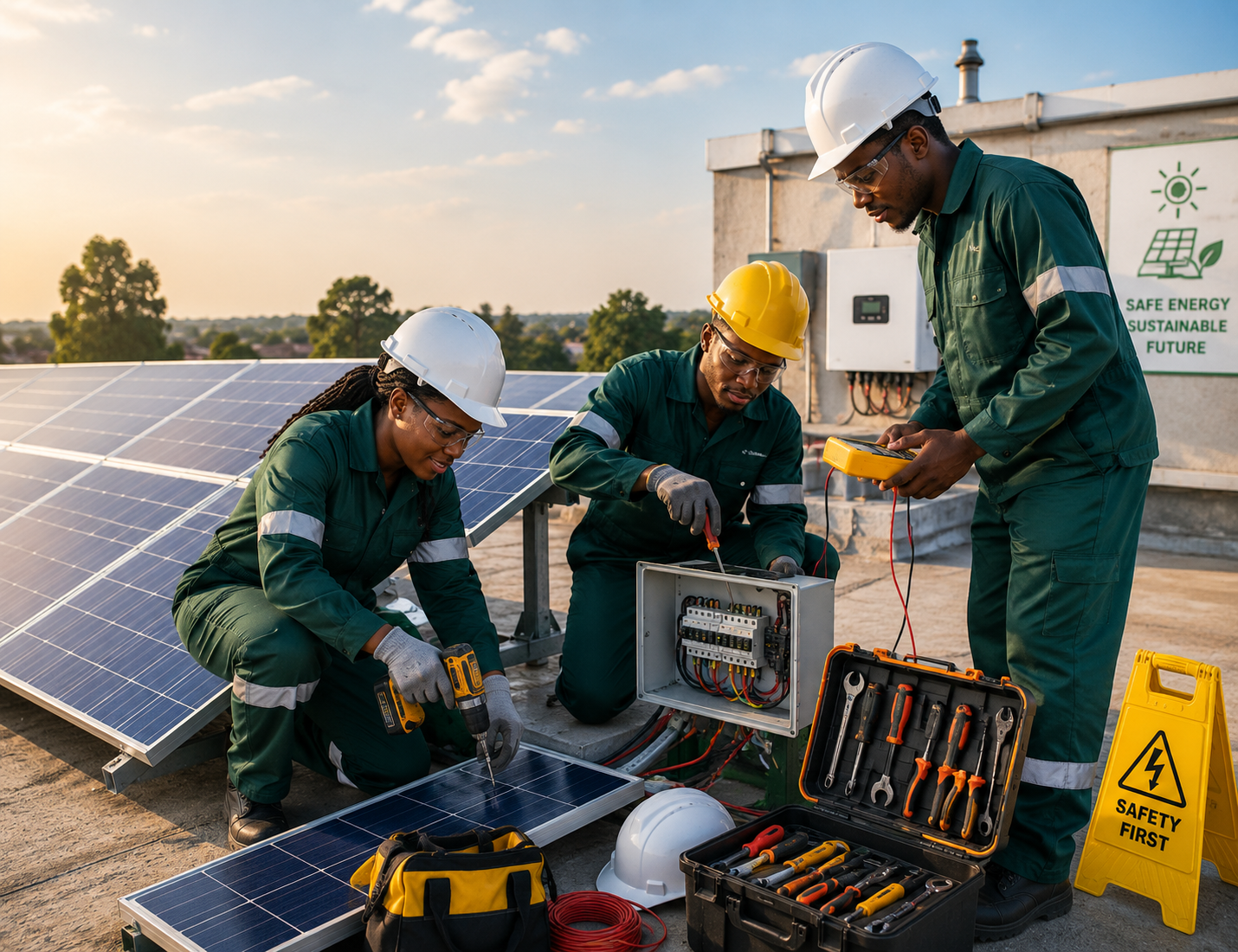
Best-Fit Learning Risk assessment · GIS · adaptation · monitoring
Explore Professional Pathways
African community leaders discussing local climate resilience
04 Prepare
Local Resilience

Community Leaders and Groups

Preparedness and Response

Strengthen community resilience and local climate action.

Explore community risk mapping, preparedness, adaptation, communication and early-warning action.

Best-Fit Learning Risk mapping · preparedness · adaptation · local action
Explore Community Pathways
African entrepreneurs discussing climate-smart and sustainable business opportunities
05 Innovate
Climate Enterprise

Entrepreneurs and Businesses

Enterprise and Adaptation

Build climate-smart products, services and enterprises.

Explore climate risks, green markets, resilient operations, low-carbon opportunities and sustainable innovation.
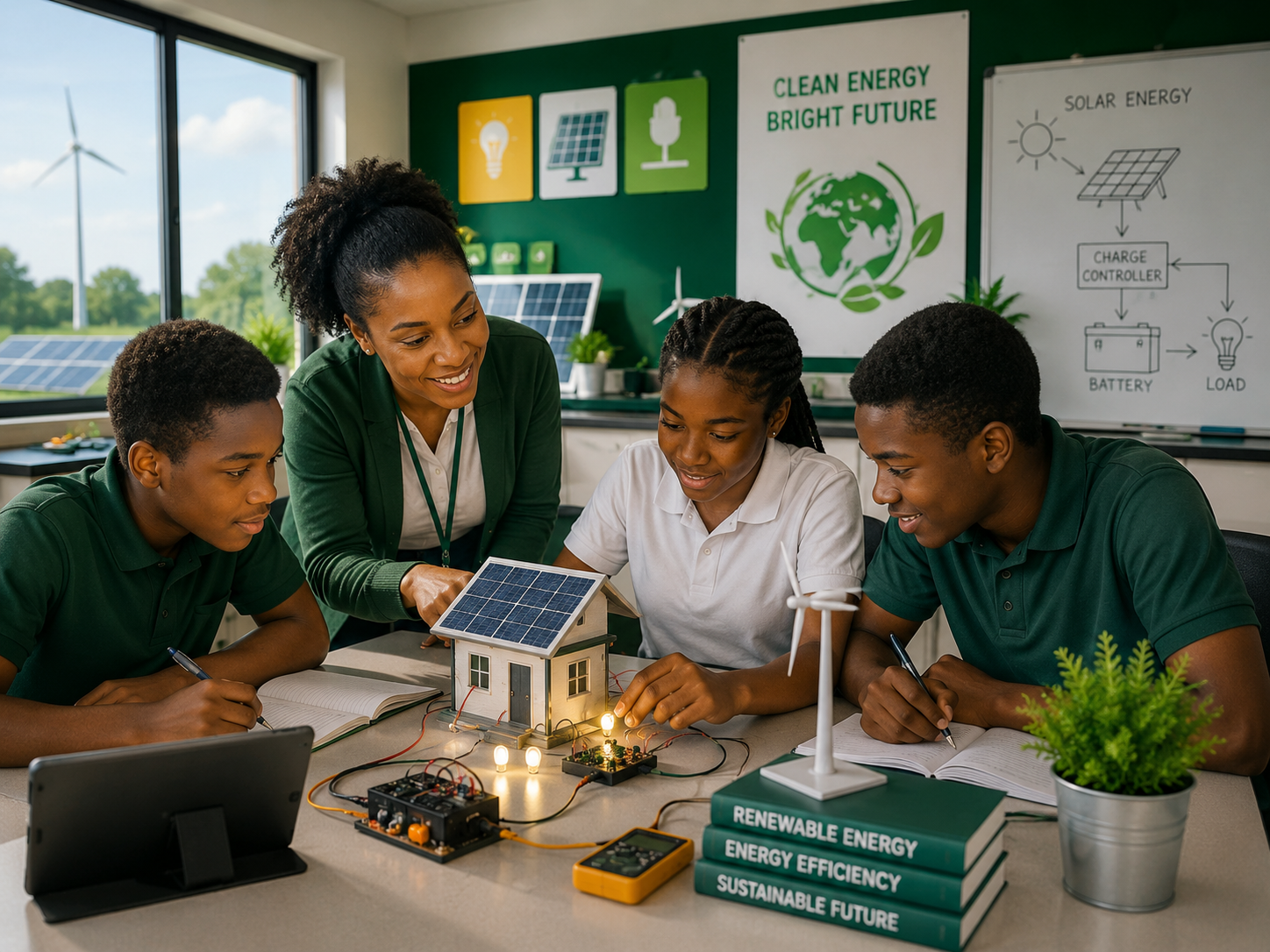
Best-Fit Learning Climate risk · green enterprise · resilience · innovation
Explore Enterprise Pathways
African institutional leaders planning climate and sustainability programs
06 Implement
Institutional Capacity

Organizations and Public Institutions

Planning and Implementation

Strengthen institutional climate knowledge and capacity.

Build staff competence in risk assessment, adaptation, mitigation, climate planning and public communication.

Best-Fit Learning Staff training · climate planning · policy · implementation
Request Organizational Training
African learners and professionals participating in group training
Collaborative Learning Earth and climate training for schools, teams and institutions.
Group and Organizational Learning

Request training designed around your people and climate priorities.

Programs may be adapted for schools, community groups, professional teams, businesses, NGOs and public institutions.

01 School Climate Programs
02 Community Workshops
03 Professional Training
04 Institutional Capacity Building
Request Group Training
Practical Earth and Climate Learning

Observe environmental change. Turn evidence into informed action.

Build practical skills through weather observation, climate-risk assessment, mapping, monitoring and local resilience projects.

Request Practical Training
Applied Learning Model

Study the Earth through observation, evidence and response.

Learners investigate local conditions, collect environmental information, assess risks and develop practical recommendations.

01 Observe Record environmental conditions.
02 Measure Collect weather and climate data.
03 Interpret Identify patterns, hazards and risks.
04 Respond Develop a practical climate action.
01 Weather Observation

Local Weather Monitoring

Observe temperature, rainfall, wind, cloud cover and humidity using simple instruments and structured records.

Learning Evidence Weather log · observation table · weekly summary
02 Heat Assessment

Heat and Thermal-Comfort Investigation

Compare temperatures in shaded and exposed spaces and identify areas of potential heat risk.

Learning Evidence Temperature record · site comparison · heat-safety plan
03 Water Stress

Drought and Water-Stress Assessment

Examine rainfall, soil conditions, water availability and visible signs of drought stress.

Learning Evidence Drought checklist · water record · adaptation proposal
04 Flood Risk

Flood and Drainage Risk Mapping

Identify low-lying areas, drainage pathways, exposed assets and locations requiring improved preparedness.

Learning Evidence Risk map · drainage notes · preparedness checklist
05 Climate Mapping

Community Climate-Risk Mapping

Map hazards, vulnerable groups, critical facilities, natural resources and local response capacity.

Learning Evidence Community map · vulnerability record · priority actions
06 Climate Data

Climate Data and Trend Analysis

Organize observations, compare values over time and communicate patterns using tables, charts and simple dashboards.

Learning Evidence Dataset · trend chart · evidence-based interpretation
Practical Delivery Formats

Earth and climate learning adapted to different settings.

01 School Observation Projects Weather, heat, rainfall and environmental monitoring.
02 Community Fieldwork Risk mapping, local knowledge and preparedness planning.
03 Professional Workshops Climate data, vulnerability and adaptation assessment.
04 Organizational Assessments Climate risks, resilience gaps and response priorities.
Applied Earth and Climate Project

Investigate one local challenge and develop a practical response.

Selected programs may include a heat-risk assessment, drought investigation, flood map, school climate profile, resilience plan or early-warning communication project.

01 Select a challenge
02 Collect evidence
03 Assess the risk
04 Recommend action
Learn Through Local Evidence

Request practical Earth and climate training for your school, community, team or institution.

Earth and Climate Learning Resources

Resources to help you observe, understand and respond.

Access structured courses, field guides, climate activities, maps, visual materials and assessment tools.

Browse Resources
Learners exploring Earth and climate systems
Featured Collection LIFEWS Academy
Connected Earth Learning

Explore the atmosphere, water, land, ecosystems and society.

Earth and Climate Resource Collection

Build knowledge from observation to climate action.

Use coordinated learning resources to understand Earth processes, climate change, environmental hazards, resilience and practical community responses.

01 Learn Understand Earth and climate concepts.
02 Observe Record local environmental conditions.
03 Interpret Identify patterns, hazards and risks.
04 Respond Develop practical resilience actions.
Explore the Resource Library
02
Practical Reference Field Guides
Observation and Assessment

Follow clear procedures for local climate investigations.

Use guides for weather observations, heat assessment, drought monitoring, flood mapping and field documentation.

Request Field Guides
03
Hands-On Learning Climate Activities
Applied Investigation

Explore Earth and climate through practical activities.

Complete weather observations, temperature comparisons, rainfall studies, risk maps and resilience exercises.

Explore Practical Activities
04
Visual Instruction Videos and Demonstrations
Watch and Learn

See Earth and climate concepts explained visually.

Watch demonstrations, field observations, hazard explanations and expert-led climate learning sessions.

Join Video Updates
05
Educator Support Lesson Plans
Teaching Resources

Deliver engaging Earth and climate lessons.

Use learning goals, activities, discussion prompts, local examples and assessments for different learner levels.

Request Educator Resources
06
Visual Learning Maps and Infographics
Climate Communication

Explain environmental patterns through clear visuals.

Use Earth-system diagrams, climate maps, hazard charts, classroom posters and community infographics.

Explore Visual Resources
07
Evidence and Evaluation Data and Assessment Tools
Measure and Interpret

Record observations and assess learning progress.

Use weather logs, data sheets, risk checklists, quizzes, project rubrics and climate-assessment tools.

View Assessment Pathway
08
Intelligent Support AI Learning Assistant
Guided Learning

Ask questions and receive support throughout your pathway.

Review concepts, interpret observations and receive guidance while exploring Earth and climate topics.

Join AI Learning Updates
Resource-to-Action

Use learning resources throughout the investigation process.

01 Learn Understand the Earth or climate concept.
02 Observe Collect local environmental evidence.
03 Interpret Identify patterns, risks and impacts.
04 Act Develop a practical response.
Climate Confidence

Build the knowledge to understand change and strengthen resilience.

Whether you are learning, teaching, monitoring environmental conditions or supporting community planning, our resources help connect scientific understanding with practical action.

Earth and Climate Certification

Learn the science. Apply it to a real challenge.

Eligible programs combine focused learning, practical evidence and a simple applied project.

Join Certification Updates
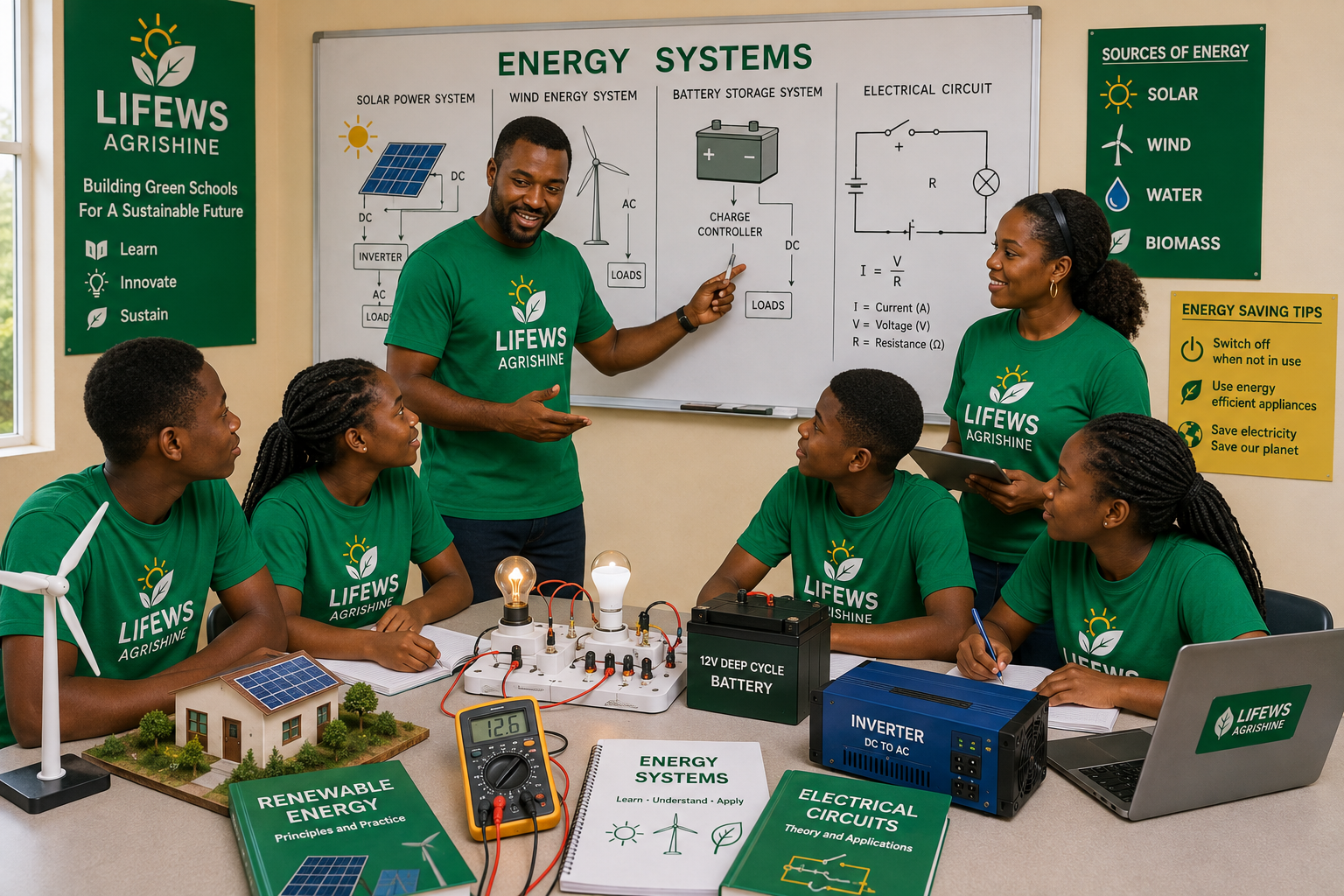
African learners studying Earth and climate systems
Evidence-Based Learning LIFEWS Academy
Earth and Climate Knowledge

Understand environmental change and develop practical responses.

A Simple Three-Stage Pathway

Complete the learning, show the evidence and finish one project.

Each eligible pathway identifies the lessons, practical work and completion requirements before you begin.

01
Learn Complete the required lessons and knowledge checks.
02
Apply Submit observations, maps, records or data analysis.
03
Complete Finish one focused Earth or climate project.
Register Your Interest
What You May Complete

Three clear forms of evidence.

Requirements vary by course, level and delivery format.

01 Knowledge

Lessons and Assessments

Complete the required learning activities and knowledge checks.

Lessons · quizzes
02 Evidence

Practical Observation

Record local weather, heat, drought, flood or environmental conditions.

Logs · maps · charts
03 Application

Applied Climate Project

Investigate one challenge and recommend a practical response.

Project · recommendations
Possible Recognition

Recognition matches the learning completed.

The certificate available depends on the published requirements of the selected program.
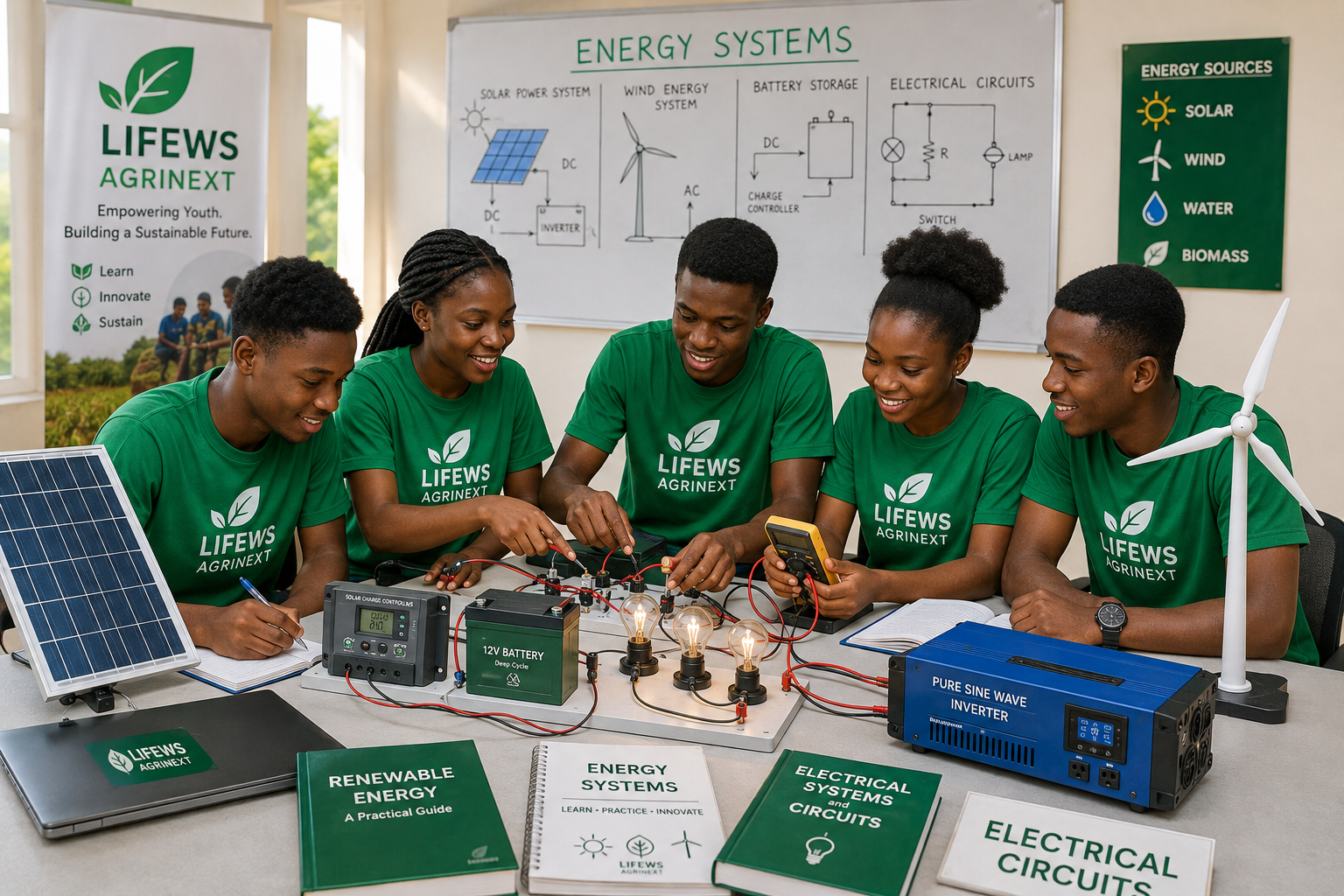
01
Certificate of Participation Selected workshops and short learning activities.
02
Certificate of Completion Completed lessons and required assessments.
03
Applied Climate Skills Certificate Practical evidence and an applied project.
African students carrying out a practical climate investigation
Practical Evidence

Observe locally. Interpret carefully. Respond practically.

Example Applied Projects

Choose one focused Earth or climate challenge.

01 Local Weather Profile
02 Heat-Risk Assessment
03 Drought Observation
04 Flood-Risk Map
05 Climate Data Chart
06 Community Resilience Plan

LIFEWS Academy certificates recognize completion of eligible learning programs. They are not academic degrees, professional licences, employment guarantees or authorization for regulated work.

Build Verifiable Earth and Climate Knowledge

Receive updates about eligible programs and certification requirements.

Join Certification Updates
Frequently Asked Questions

Quick answers about Earth and Climate learning.

Learn about entry requirements, practical activities, delivery formats and certification.

Ask a Question
01 Do I need previous climate knowledge?

No. Foundation programs begin with basic Earth, weather and climate concepts.

02 What topics are covered?

Topics include Earth systems, climate change, hazards, adaptation, mitigation and climate data.

03 Are practical activities included?

Selected programs may include weather logs, heat assessments, risk maps and climate projects.

04 Can I study online?

Selected courses may be online. Practical pathways may also include workshops or field activities.

05 Can schools and organizations request training?

Yes. Programs may be customized for schools, communities, businesses, NGOs and institutions.

06 Are certificates available?

Eligible programs may offer certificates after the published requirements are completed.
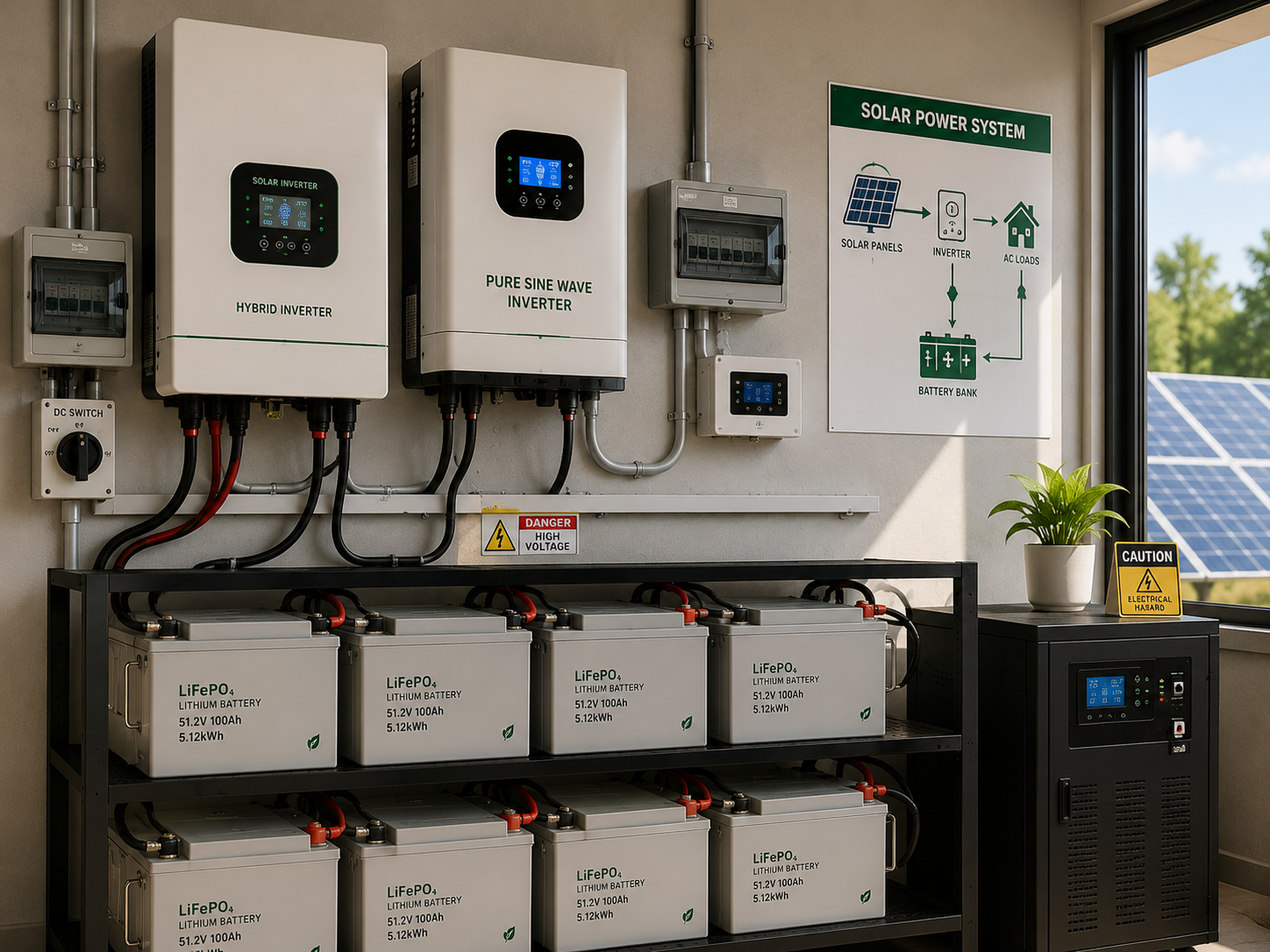
Educator preparing Earth and climate learning materials
Educator and Group Support Practical learning for schools, communities and organizations.
Customized Learning

Need a program designed for your learners or team?

Request climate literacy, risk, resilience or environmental-observation training.

Request Group Training
Still Have Questions?

Speak with LIFEWS Academy about learning pathways and training.

Take the Next Step

Understand environmental change. Build practical resilience.

Join program updates, request customized training or discuss an Earth and Climate Systems initiative for your school, community, team or organization.

01 Earth-System Learning Connect air, water, land, ecosystems and society.
02 Practical Investigation Observe conditions and interpret local evidence.
03 Climate Response Develop informed adaptation and resilience actions.
African learners and professionals exploring Earth and climate systems
Earth and Climate Learning LIFEWS Academy
Knowledge for Resilience

Observe the Earth. Understand change. Support informed action.

Earth and Climate Program Interest

Tell us how you would like to participate.

Share your role and main learning interest so LIFEWS Academy can direct you to a suitable pathway or training option.

Receive relevant course, resource, training and certification updates.

Your information will be used only for relevant program communication and learner support.

Customized Earth and Climate Training

Build a program around your environmental priorities.

Training may be adapted for schools, communities, businesses, NGOs and public institutions.

01 Climate Literacy
02 Hazard and Risk Assessment
03 Adaptation and Resilience
04 Climate Data and Communication
Request Custom Training
Earth and Climate Systems

Understand the planet. Interpret change. Strengthen resilience.

Start Your Enquiry
Scroll to Top