Understand the Earth. Respond to a changing climate.
Explore how the atmosphere, water, land, ecosystems and human activities interact to shape weather, climate hazards, resilience and sustainable development.
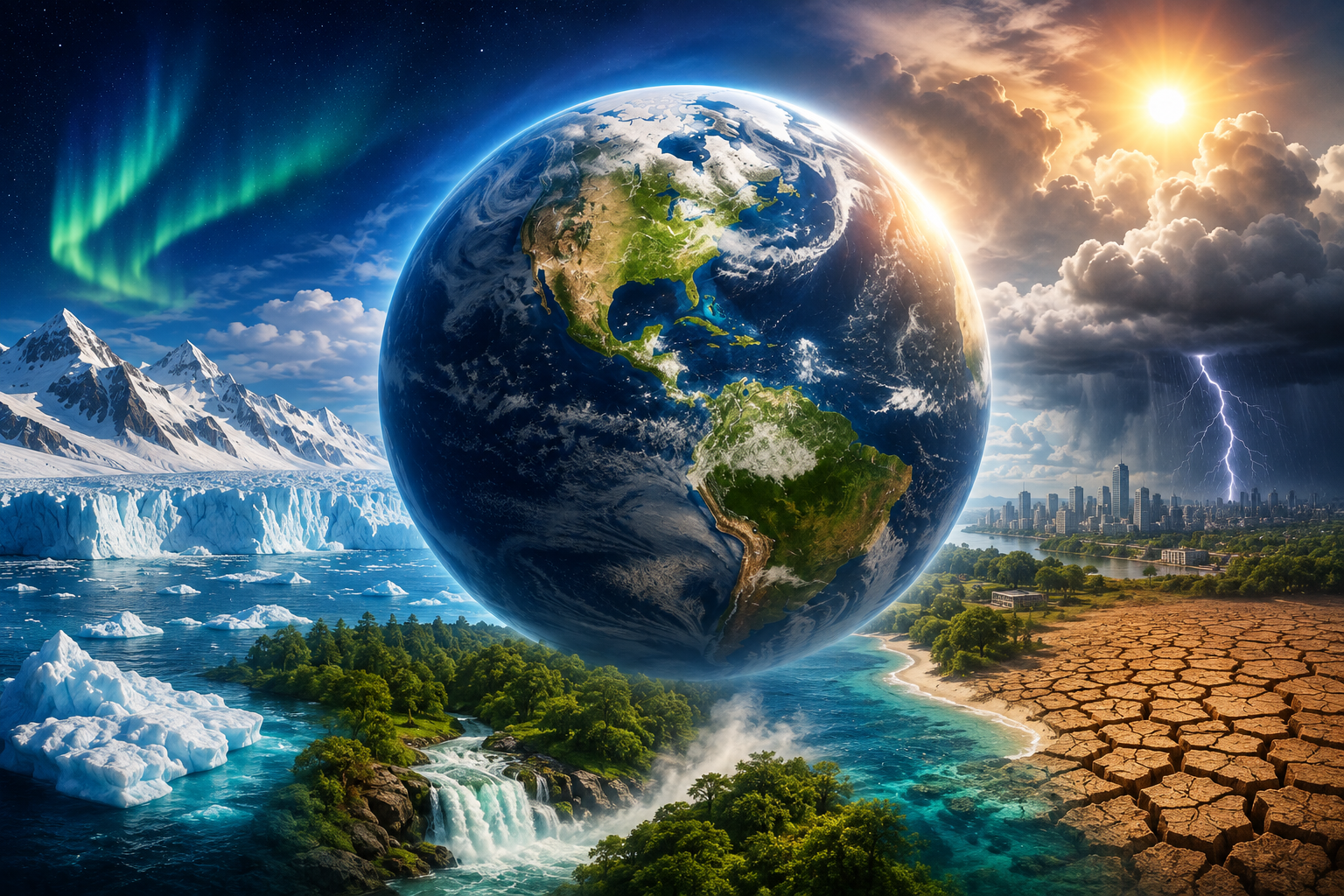
Atmosphere, water, land, life and society are deeply connected.
Earth and climate learning for people turning knowledge into action.
Find a pathway that reflects your role, learning needs and Earth or climate priorities.
Register Your Interest
Students and Young People
Build strong foundations in Earth and climate science.
Explore weather, climate change, ecosystems, hazards, sustainability and future climate careers.
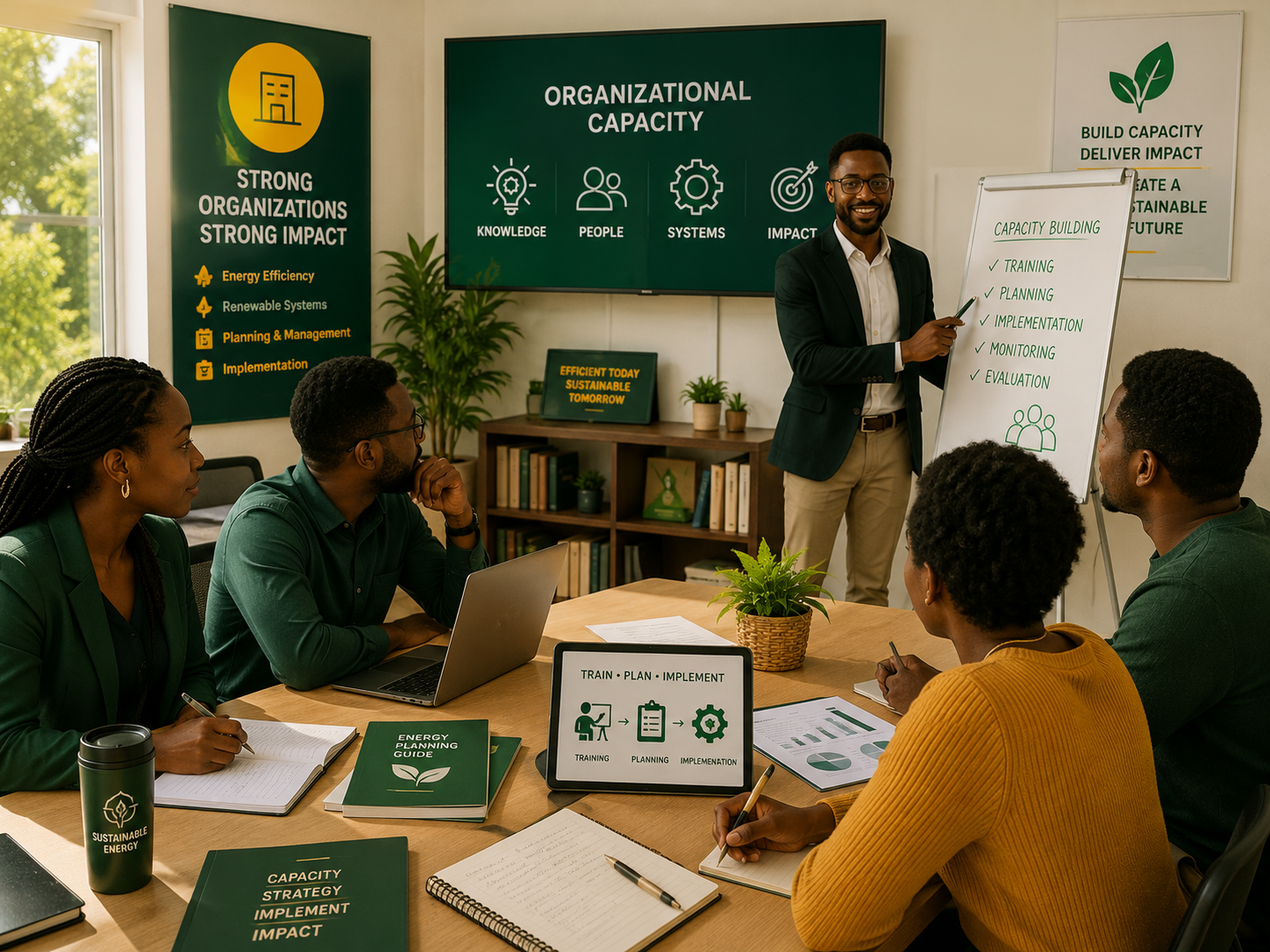
Teachers and Educators
Bring Earth and climate systems into practical learning.
Use observations, experiments, maps, stories and local projects to strengthen climate education.
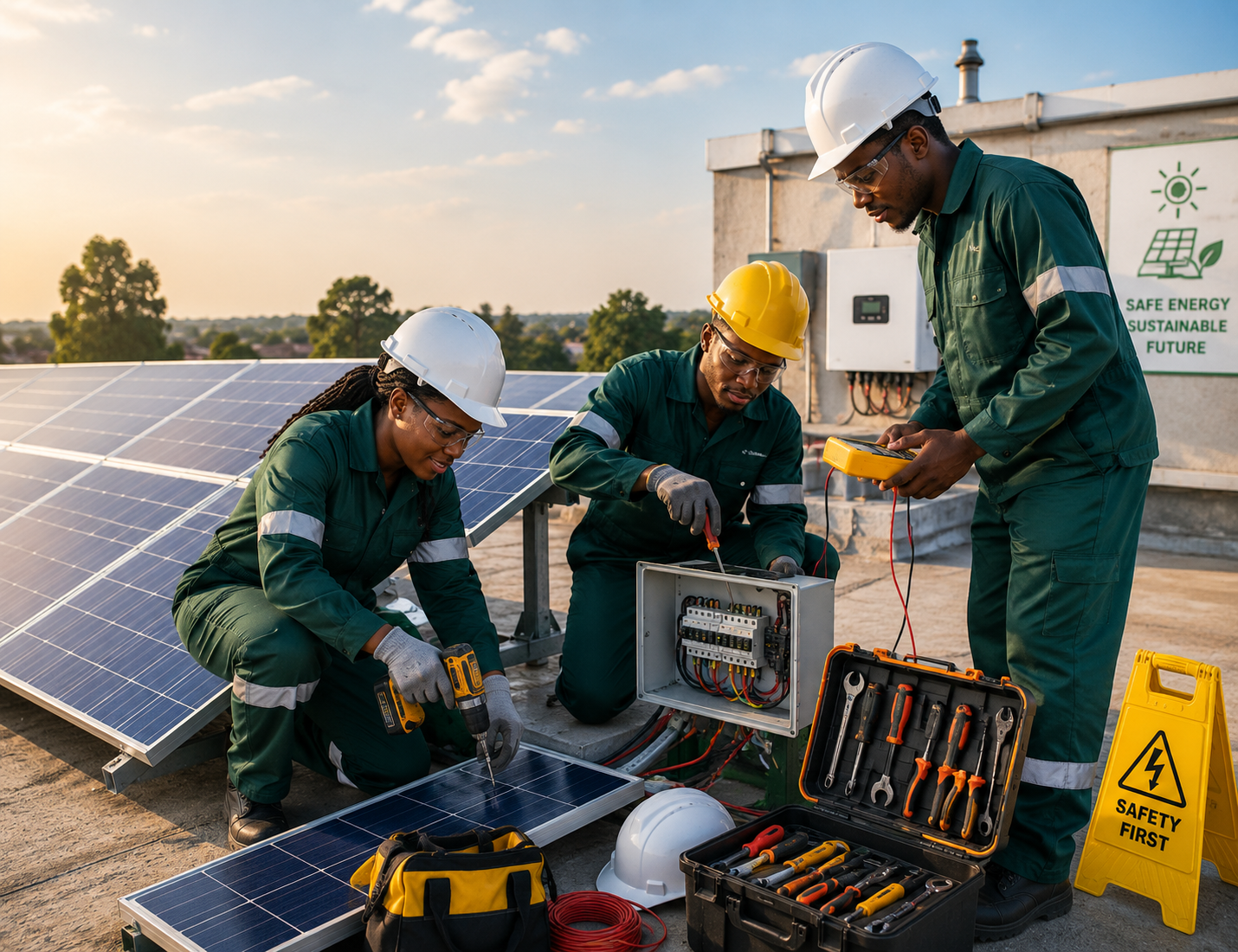
Environmental and Climate Professionals
Strengthen climate assessment and risk-management skills.
Develop knowledge in hazards, vulnerability, climate data, adaptation planning and early-warning systems.
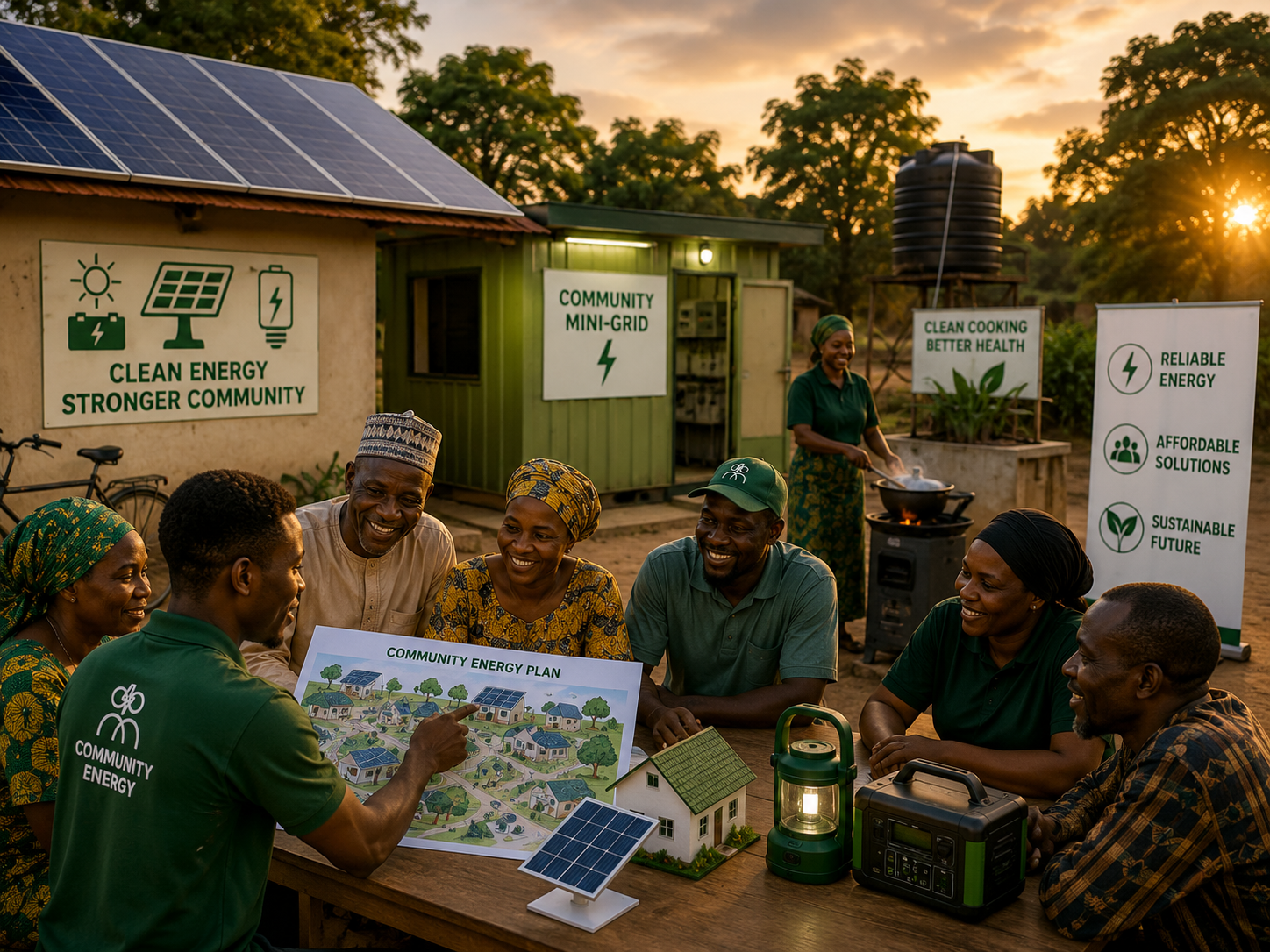
Community Leaders and Groups
Strengthen community resilience and local climate action.
Explore community risk mapping, preparedness, adaptation, communication and early-warning action.
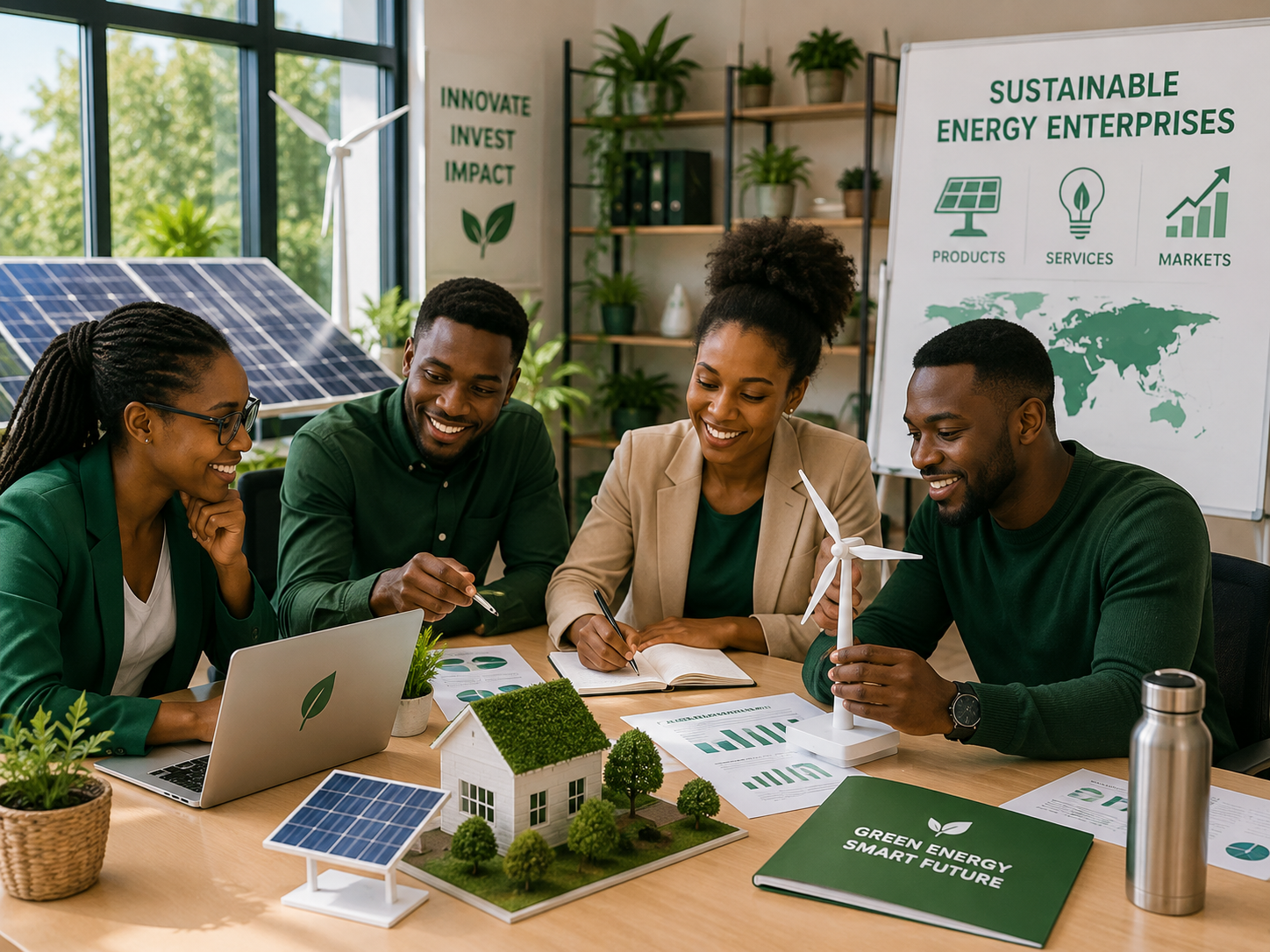
Entrepreneurs and Businesses
Build climate-smart products, services and enterprises.
Explore climate risks, green markets, resilient operations, low-carbon opportunities and sustainable innovation.
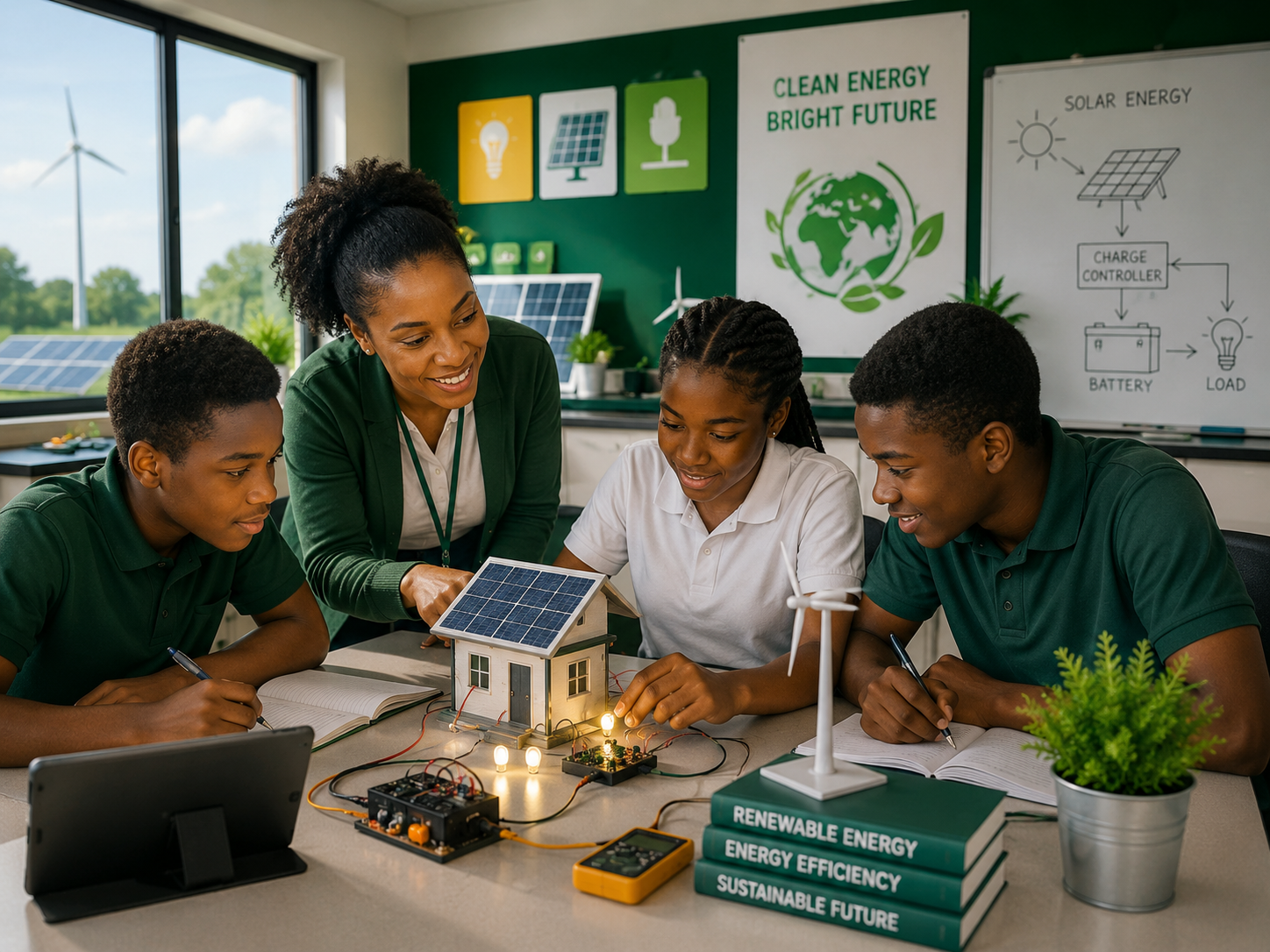
Organizations and Public Institutions
Strengthen institutional climate knowledge and capacity.
Build staff competence in risk assessment, adaptation, mitigation, climate planning and public communication.

Request training designed around your people and climate priorities.
Programs may be adapted for schools, community groups, professional teams, businesses, NGOs and public institutions.
Request Group TrainingResources to help you observe, understand and respond.
Access structured courses, field guides, climate activities, maps, visual materials and assessment tools.
Browse Resources
Explore the atmosphere, water, land, ecosystems and society.
Build knowledge from observation to climate action.
Use coordinated learning resources to understand Earth processes, climate change, environmental hazards, resilience and practical community responses.
Follow structured Earth and climate learning pathways.
Explore progressive courses in Earth systems, climate science, hazards, adaptation, mitigation and climate intelligence.
Explore CoursesFollow clear procedures for local climate investigations.
Use guides for weather observations, heat assessment, drought monitoring, flood mapping and field documentation.
Request Field GuidesExplore Earth and climate through practical activities.
Complete weather observations, temperature comparisons, rainfall studies, risk maps and resilience exercises.
Explore Practical ActivitiesSee Earth and climate concepts explained visually.
Watch demonstrations, field observations, hazard explanations and expert-led climate learning sessions.
Join Video UpdatesDeliver engaging Earth and climate lessons.
Use learning goals, activities, discussion prompts, local examples and assessments for different learner levels.
Request Educator ResourcesExplain environmental patterns through clear visuals.
Use Earth-system diagrams, climate maps, hazard charts, classroom posters and community infographics.
Explore Visual ResourcesRecord observations and assess learning progress.
Use weather logs, data sheets, risk checklists, quizzes, project rubrics and climate-assessment tools.
View Assessment PathwayAsk questions and receive support throughout your pathway.
Review concepts, interpret observations and receive guidance while exploring Earth and climate topics.
Join AI Learning UpdatesUse learning resources throughout the investigation process.
Learn the science. Apply it to a real challenge.
Eligible programs combine focused learning, practical evidence and a simple applied project.
Join Certification Updates
Understand environmental change and develop practical responses.
Complete the learning, show the evidence and finish one project.
Each eligible pathway identifies the lessons, practical work and completion requirements before you begin.
Three clear forms of evidence.
Requirements vary by course, level and delivery format.
Lessons and Assessments
Complete the required learning activities and knowledge checks.
Lessons · quizzesPractical Observation
Record local weather, heat, drought, flood or environmental conditions.
Logs · maps · chartsApplied Climate Project
Investigate one challenge and recommend a practical response.
Project · recommendationsRecognition matches the learning completed.
The certificate available depends on the published requirements of the selected program.
Observe locally. Interpret carefully. Respond practically.
Choose one focused Earth or climate challenge.
LIFEWS Academy certificates recognize completion of eligible learning programs. They are not academic degrees, professional licences, employment guarantees or authorization for regulated work.
Receive updates about eligible programs and certification requirements.
Quick answers about Earth and Climate learning.
Learn about entry requirements, practical activities, delivery formats and certification.
Ask a Question01 Do I need previous climate knowledge?
No. Foundation programs begin with basic Earth, weather and climate concepts.
02 What topics are covered?
Topics include Earth systems, climate change, hazards, adaptation, mitigation and climate data.
03 Are practical activities included?
Selected programs may include weather logs, heat assessments, risk maps and climate projects.
04 Can I study online?
Selected courses may be online. Practical pathways may also include workshops or field activities.
05 Can schools and organizations request training?
Yes. Programs may be customized for schools, communities, businesses, NGOs and institutions.
06 Are certificates available?
Eligible programs may offer certificates after the published requirements are completed.
Need a program designed for your learners or team?
Request climate literacy, risk, resilience or environmental-observation training.
Request Group TrainingSpeak with LIFEWS Academy about learning pathways and training.
Understand environmental change. Build practical resilience.
Join program updates, request customized training or discuss an Earth and Climate Systems initiative for your school, community, team or organization.
Observe the Earth. Understand change. Support informed action.
Tell us how you would like to participate.
Share your role and main learning interest so LIFEWS Academy can direct you to a suitable pathway or training option.
Receive relevant course, resource, training and certification updates.
Build a program around your environmental priorities.
Training may be adapted for schools, communities, businesses, NGOs and public institutions.