Understand water. Protect life.
Explore practical learning in water security, conservation, irrigation, sanitation, watersheds and climate resilience.
Begin with water literacy. Progress toward practical solutions.
Follow a structured route from understanding water systems to improving quality, use, management and resilience.
Receive Program Updates →
Understand water from source to security.
Water Systems and Security
Learn where water comes from, how it is used, why access differs and how communities can protect water resources.
Choose the water challenge you want to address.
Progress from general water knowledge into focused learning in health, agriculture, conservation, management and technology.
Enter the pathway according to your role and goals.
Receive updates about programs, schedules and enrollment opportunities.
Water learning for people across communities and systems.
Choose a pathway that reflects your role, responsibilities and water-related goals.
Register Your Interest →
Students and Young People
Build knowledge for future water careers and leadership.
Explore water resources, quality, conservation, sanitation, irrigation and digital water systems.
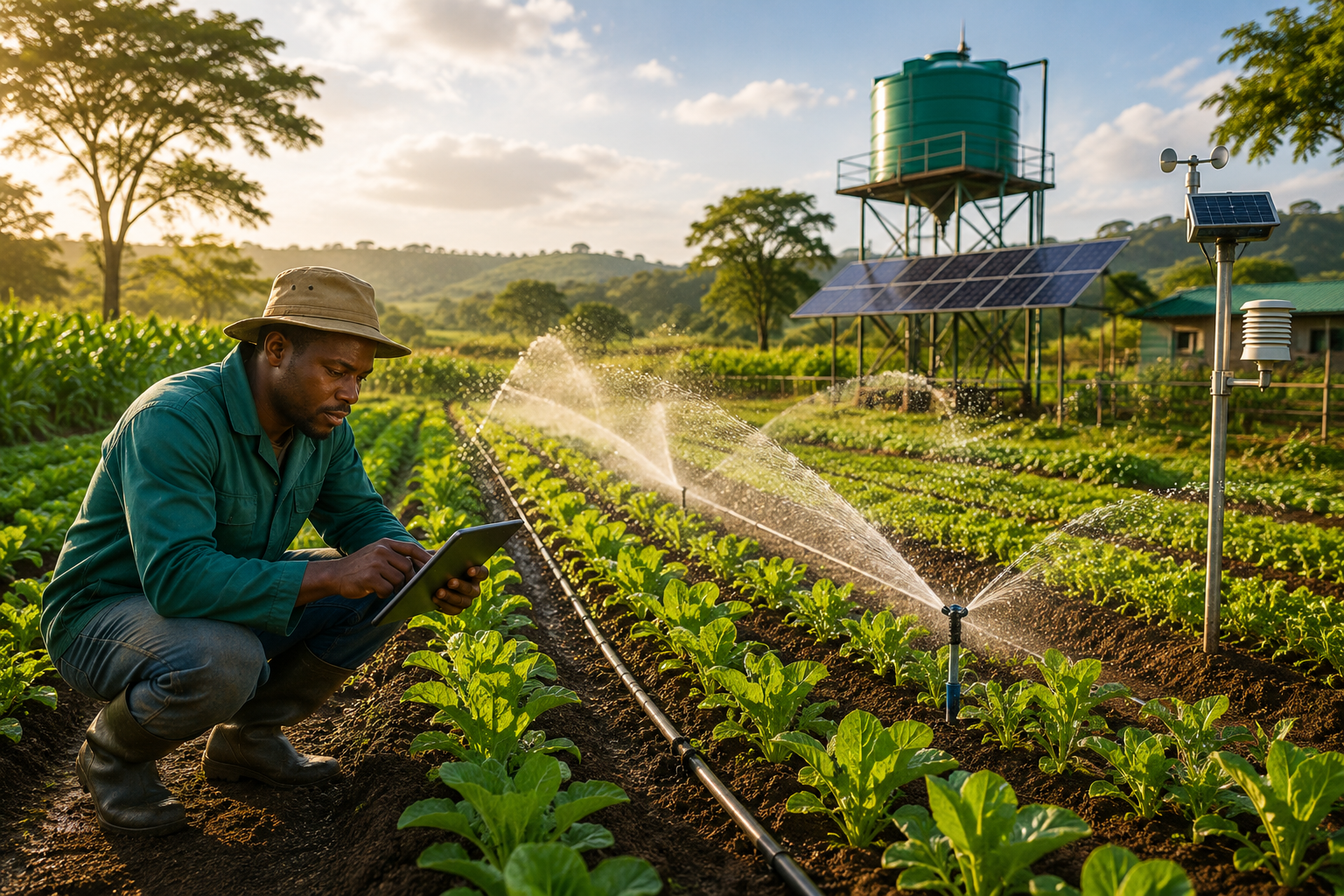
Farmers and Irrigation Users
Improve irrigation and water-use efficiency.
Strengthen crop-water planning, soil-moisture management, irrigation scheduling and drought preparedness.
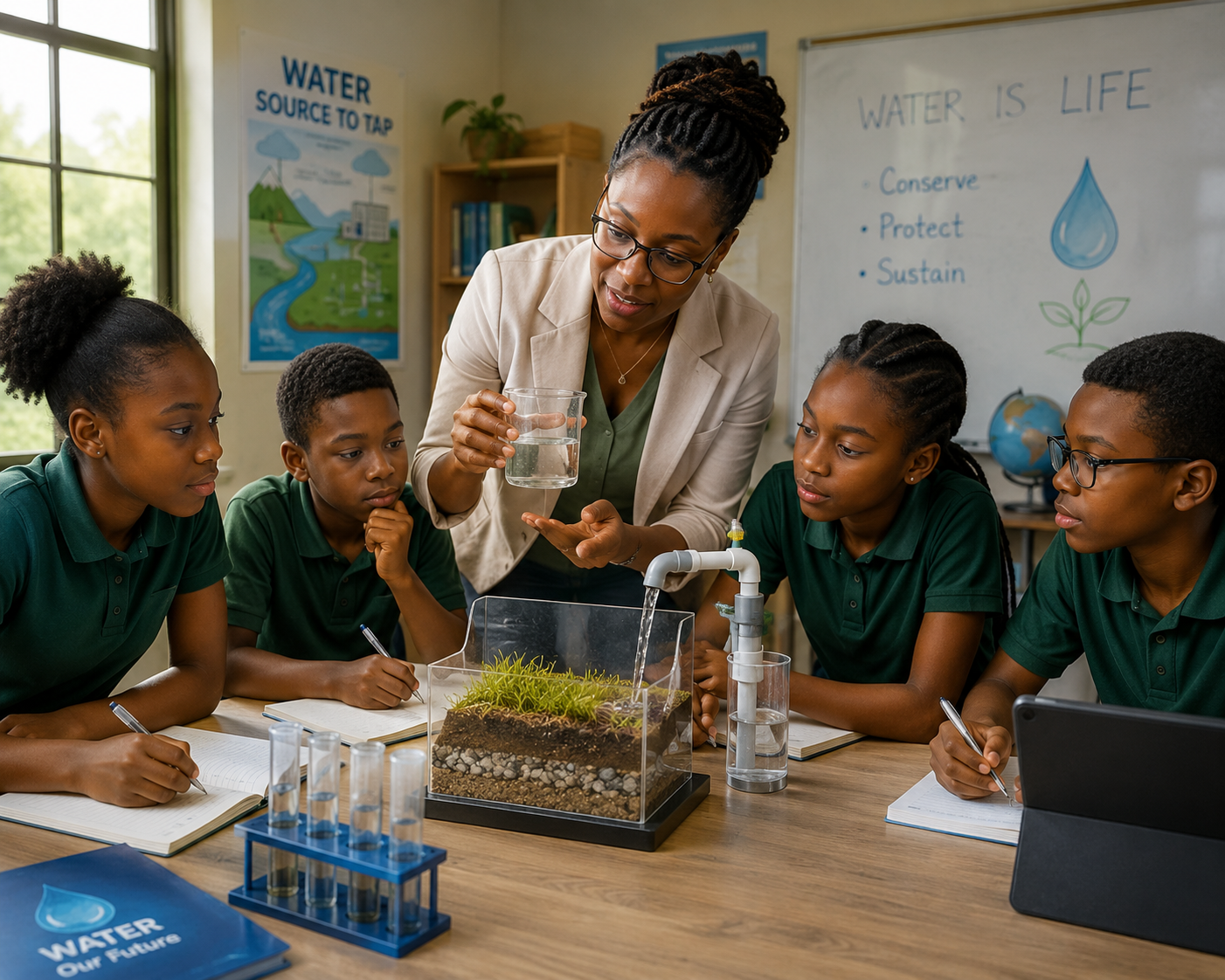
Teachers and Educators
Bring water systems into practical education.
Connect water science, sanitation, environmental stewardship and climate resilience with classroom activities.
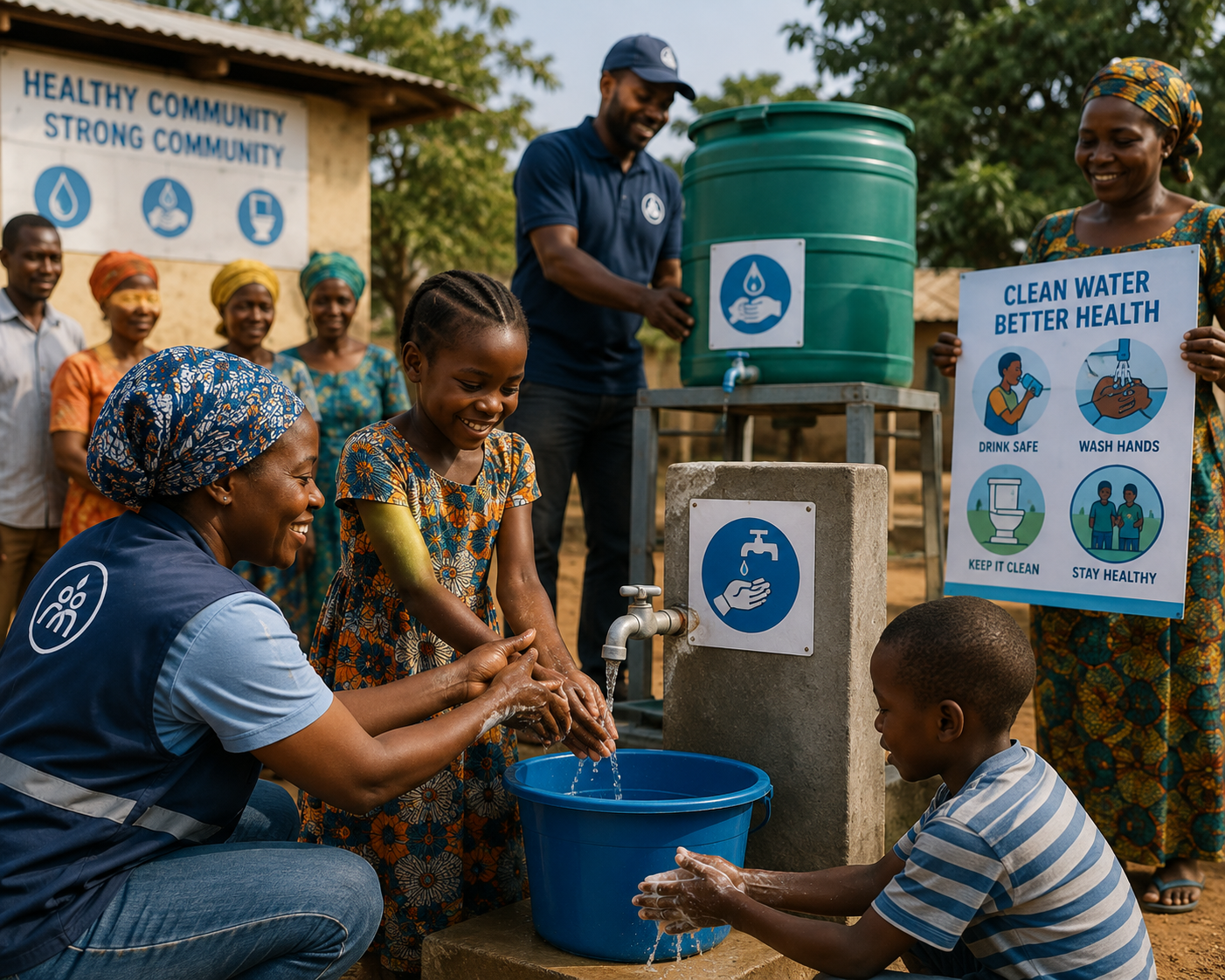
Community and WASH Teams
Strengthen water, sanitation and hygiene programs.
Support water-quality protection, sanitation planning, community awareness and responsible household water use.

Professionals and Technical Teams
Improve planning, monitoring and decisions.
Explore integrated water management, infrastructure, data collection, risk assessment and smart monitoring.
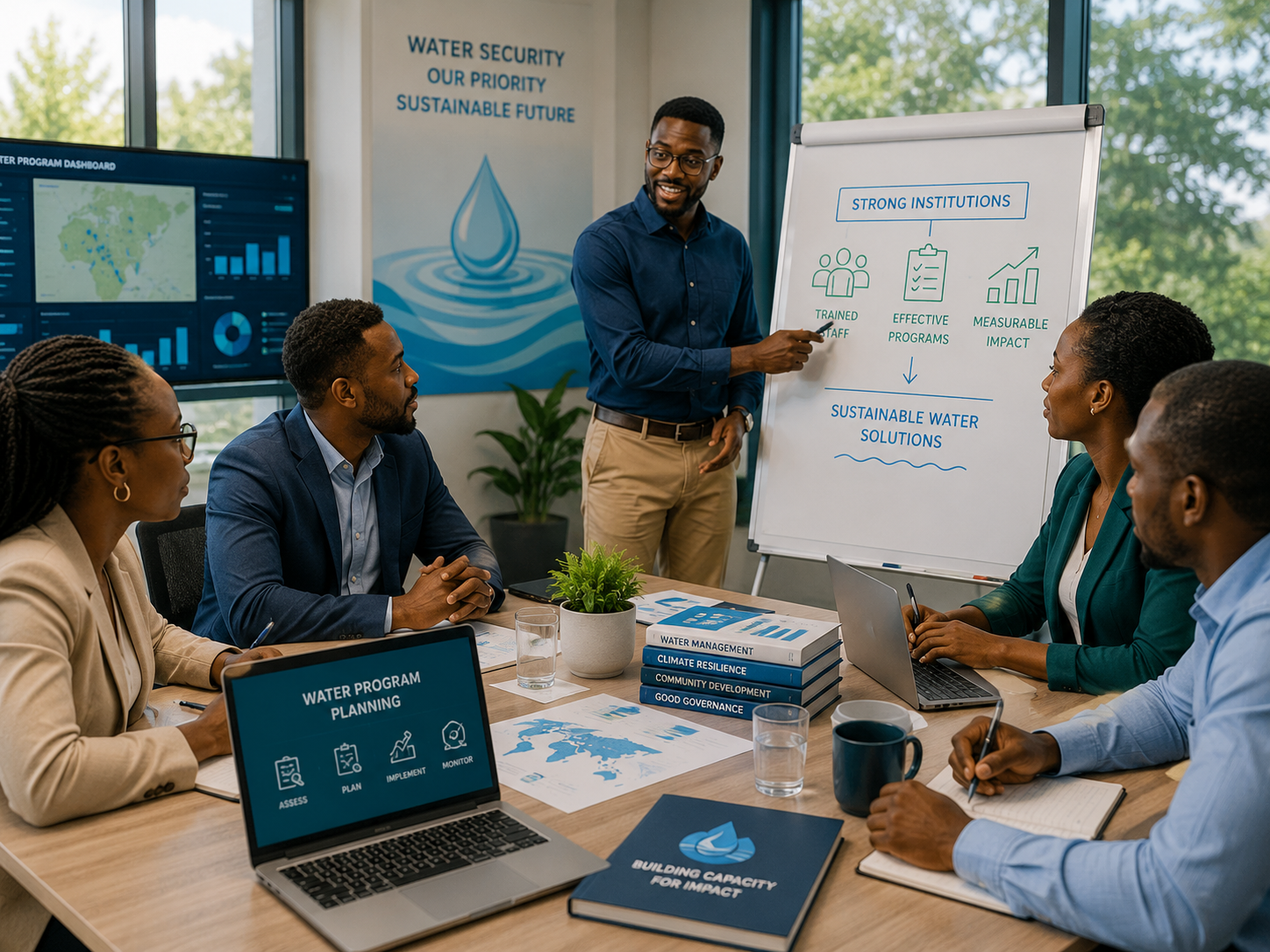
Organizations and Public Institutions
Build stronger water programs and implementation capacity.
Develop staff capabilities across water security, WASH, governance, climate resilience and community programs.
Request water training designed around your people and priorities.
Programs may be structured for schools, farmer groups, NGOs, community teams, public institutions and technical organizations.
Observe, test and improve real water systems.
Apply water knowledge through investigations, demonstrations, monitoring exercises and community projects.
Request Practical Training →Investigate water from source to use.
Examine a water challenge, collect evidence, interpret findings and develop a practical response.
Water Testing and Observation
Examine colour, odour, turbidity, pH and other basic water-quality indicators using appropriate testing methods.
Irrigation and Soil-Moisture Assessment
Compare irrigation methods, observe soil moisture and estimate crop-water needs under different conditions.
Rainwater-Harvesting Design
Assess roof area, rainfall, storage needs and safe collection practices for a simple harvesting system.
WASH and Household Water Audit
Review water access, storage, sanitation, hygiene and possible contamination risks within a household or institution.
Community Water-System Mapping
Map water sources, users, infrastructure, access barriers and environmental risks within a community.
Smart Water Monitoring
Explore sensors, digital records and dashboards for monitoring water level, flow, quality or consumption.
Adapt learning to different sites and groups.
Investigate one challenge and present a practical response.
Selected programs may include a water audit, irrigation plan, rainwater-harvesting concept, WASH assessment or monitoring project.
Request practical water training for your school, farm, community or organization.
Practical materials for learning, teaching and fieldwork.
Support water learning with manuals, activity guides, charts, worksheets and practical monitoring tools.
Visit LIFEWS Books →Water Systems Learning Collection
A coordinated collection for learners, teachers, farmers, community teams and water professionals.
Choose materials for your learning or training needs.
Resources may be provided digitally, in print or as part of selected LIFEWS Academy programs.
Structured reading on water resources, use and security.
Guidance for observation, sampling and basic assessment.
Worksheets for measuring use, identifying loss and planning improvements.
Visual teaching materials on water, sanitation and conservation.
Ready-to-use tools for inspections, monitoring and reporting.
Digital guides, worksheets, checklists and reference materials.
Use each resource throughout the learning process.
Request water-learning resources for your class, team or community.
Resource packages may be developed for schools, farmer groups, WASH teams, NGOs and institutional training.
Learn the concepts. Demonstrate practical competence.
Eligible programs may combine lessons, assessments, practical evidence and an applied water project.
Receive Certification Updates →Learn Water Foundations
Complete lessons on water systems, quality, conservation, sanitation, agriculture and security.
Complete Assessments
Demonstrate understanding through quizzes, short assignments and structured reflection.
Submit Practical Evidence
Complete a water audit, test record, irrigation exercise, system map or monitoring activity.
Complete an Applied Project
Investigate a real water challenge and document a practical, evidence-based response.
Receive an Eligible Certificate
Learners who satisfy the published requirements may receive a program-specific LIFEWS Academy certificate.
Recognition will reflect the depth of learning completed.
The credential offered will depend on program duration, assessments and practical requirements.
For selected workshops and introductory events.
For completing lessons and required assessments.
For programs requiring verified practical evidence.
For advanced learning with applied work and a capstone.
Certification may combine four types of evidence.
LIFEWS Academy certificates recognize learning completed through an eligible program. They do not automatically constitute a government licence, academic degree, professional registration, employment guarantee or authorization to provide regulated services.
Receive updates about eligible programs, assessments and certification requirements.
What you need to know before you begin.
Quick answers about participation, practical learning, group training and certification.
Ask a Question →01 Who can join the programs? +
Students, farmers, educators, community teams, professionals and organizations may participate.
02 Do I need previous experience? +
No. Introductory programs begin with essential water concepts before progressing into applied learning.
03 Are practical activities included? +
Applied programs may include water testing, audits, irrigation exercises, mapping and monitoring.
04 Can organizations request training? +
Yes. Training may be customized for schools, farmer groups, NGOs, institutions and technical teams.
05 Will certificates be available? +
Eligible programs may offer certificates after the published learning and practical requirements are completed.
Speak with LIFEWS Academy about water learning or group training.
Build practical knowledge for better water decisions.
Join program updates, request group training or discuss a water learning initiative for your school, farm, community or organization.
Tell us how you would like to participate.
Share your role and primary learning interest so we can direct you to the most suitable pathway.